
Hyper-Personalisation in B2B Marketing
Why Generic Outreach is a Dying Breed in 2026

The generic outreach era is well and truly over. By 2026, mass emails, wide-stroke press releases and one-size-fits-all messaging have lost their power to connect with journalists, stakeholders or B2B audiences. Buyers, journalists and high-level executives expect relevance; and anything less will be met with a swift ignore.
As the industry goes, open rates for mass communications are continuing to tank, engagement with un-targeted content is plummeting and journalists are increasingly calling out irrelevant pitches in public. The data doesn't lie: mass marketing is dying, and hyper-personalisation has become the only way to get anything done in B2B communications.
For consultancies in particular, this shift represents a major competitive ticket. Those who can actually deliver on personalisation driven by data, tailored media outreach and relevant content marketing will be the ones winning over trust, influence and long-term client relationships. Those who stick to generic messaging will get left in the dust, and fast.
What Hyper-Personalisation Actually Looks Like
Hyper-personalisation isn't just about shoving someone's first name into an email template, or swapping out a job title here and there. It's about developing a strategic, data-driven approach to communication that actually shows you understand the audience on a deep level: their context, motivations and behaviour.
Segmentation Beyond Demographics
These days, a successful segmentation strategy goes way beyond just demographics. Here are some key areas to be thinking about:
Industry-specific challenges
Taking the time to tailor your messaging to sector-specific regulations, trends and pressures.Role-based priorities
A CFO is going to care about cost efficiency, a CMO about pipeline velocity and a COO about operational impact.Pain-point mapping
Understanding what keeps your audience up at night - and tackling it head-on.Content consumption habits
Some audiences love reading in-depth reports, others prefer short videos, podcasts or data dashboards, so you need to know which is which.
This level of segmentation is what lets you create PR campaigns and marketing programmes that actually feel like they're speaking directly to your audience.
Talking to the Right Micro-Communities
By 2026, the most meaningful conversations are happening in micro-communities: little niches of LinkedIn groups, industry Slack channels, private WhatsApp groups, specialist newsletters and vertical-specific media outlets. Hyper-personalisation is about showing up in the places where your audience already is, rather than trying to drag them over to your generic channels.
The Personalisation vs. Customisation Difference
There's a key distinction to keep in mind here:
Personalisation is driven by data: you're adapting your content based on what you know about your audience.
Customisation is driven by the user: they get to choose what they see.

Hyper-personalisation does a bit of both, but the real power lies in the data.
The Death of Spray-And-Pray Media Relations
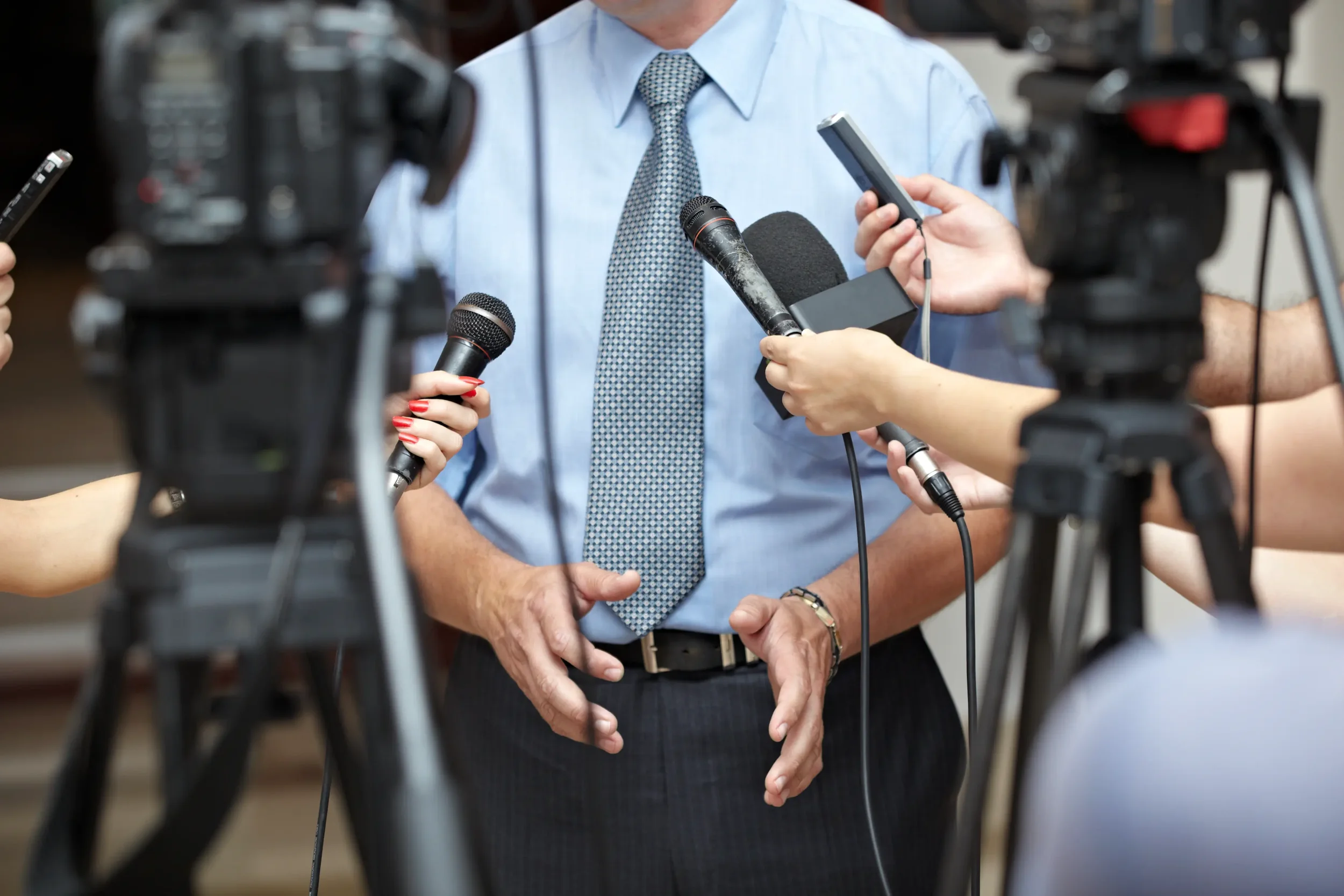
The mass press release days are behind us for good. By 2026, journalists expect relevance, exclusivity and value; not inbox spam.
Building Relationships with Journalists
Building a real relationship with a journalist is about understanding what they're into, what they like to write about and what they prefer to do their job with. That means:
Understanding their beat, tone and preferred formats
Offering up exclusive insights or data
Providing assets that actually help them do their job
Respecting their time and editorial boundaries
Spray-and-pray pitching is a certain way to damage your rep - hyper-personalised pitching, on the other hand, can build trust.
Niche Media Targeting
Instead of sending the same announcement to 300 journalists, the high-performers now target:
Specialist vertical publications
Industry newsletters
Analyst reports
Micro-influencers in B2B sectors
Regional or sector-specific outlets
This is niche marketing targeting at its absolute finest.
Platform-Specific Pitches and Value-Added Assets
A pitch for a podcast isn't the same as a pitch for a print publication. A LinkedIn-first story angle isn't the same as a trade-press exclusive. Hyper-personalisation means tailoring:
Angles
Data points
Quotes
Visual assets
Formats
Popping up with irrelevant pitches isn't just ineffective these days; it actually harms your brand credibility.
Technology Enabling Personalisation at Scale
Hyper-personalisation isn't possible without the tech to back it up.
CRM Systems and Marketing Automation
Modern CRM platforms and marketing automation tools (and if you don't know about this stuff, a quick look at the Wikipedia page on marketing automation is in order) let you:
Track behavioural signals
Trigger up personalised messaging
Score leads based on engagement
Build dynamic audience segments
Automate follow-ups based on real-time actions
This is where a marketing automation consultancy can come in really handy, helping you integrate systems, build workflows and keep your data spot on.
AI-Assisted Research Tools
AI tools can now help you with:
Journalist beat analysis
Competitor monitoring
Audience insight extraction
Content performance prediction
This lets you deliver data-driven personalisation at a level that was beyond us just five years ago.
Dynamic Content and Triggered Messaging
Hyper-personalisation includes things like:
Dynamic email content blocks
Website personalisation based on visitor behaviour
Triggered nurture sequences
Adaptive landing pagesThese tools make sure every interaction with your brand feels like it was meant for them
Data Enrichment and Behavioural Tracking
When it comes to privacy-proof data enrichment, teams can gain a much better understanding of their clients by knowing things like:
What size company they are
What industry they work in
What tech their competitors are using
What signals tell us they're looking to buy
What gets them really engaged
And with behavioural tracking done responsibly, you can really narrow down your targeting and serve up relevant content marketing to the right people.
A/B Testing for Continuous Refinement
Because hyper-personalisation is a process that never stops, A/B testing helps you keep fine-tuning:
The subject lines you use
What you ask them to do next
What kind of content really connects with them
When to send them things
What kind of message really resonates
This helps you keep optimising and improving over time, versus slapping up a one-off campaign.
Personalisation Across Every Single Touchpoint
So, hyper-personalisation needs to be consistent right across every point where people are interacting with your brand
Email Marketing
Using dynamic content blocks that change up based on who you're sending to
Making sure you send your emails at the right time to grab people's attention
Using behaviour-based triggers that kick in when you've got a good chance of getting a response
Segmenting your email lists so you can tailor your nurture flows to the right people
This is the foundation of really making hyper-personalisation work in B2B marketing.
Social Media
Writing platform-specific copy that gets the best response
Using an audience-tailored content calendar that shows you really get the people you're talking to
Getting in on the ground floor of micro-communities and really engaging with the folks there
Being authentic and personal in your thought leadership - letting people know you're a real person with real thoughts
LinkedIn, Twitter, X and those niche communities all need a different tone and format to really resonate
Content Marketing
Writing about topics that really matter to specific groups of people
Publishing industry-specific reports and whitepapers that establish your brand as a thought leader
Using gated content to give people something they really want, only if they're at the right stage in their buying journey
Suggesting things to people that are really relevant to what they're looking for
This is how you turn content marketing into a real engine for growth
Media Relations
Doing your research to know who the right journalists are for your brand
Finding the one angle that will make a story exclusive and really interesting
Writing press materials that specifically show you understand the journalist's beat
Creating assets (like data, visuals and quotes) that really add value to the story
This is what media outreach looks like in 2026: targeted and effective.
Privacy & Ethics
Hyper-personalisation only works if it's built on trust
GDPR Compliance & Data Protection
Teams need to make sure that:
any data processing is completely lawful
people can easily understand how their data will be used
data is stored securely
people can see exactly what you're doing with their data
The Direct Marketing Association (UK) has a wealth of information on data privacy and ethical personalisation - and it's a must-read for any team looking to really get this right in 2026
Transparency in Data Collection
People are way more aware of their data and their rights than they used to be, and the ones who trust you will see transparency as a major benefit
Opt-in vs. Bought Lists
Bought lists are not just a waste of time, they also carry a big reputational risk. Opt-in data is the only way to build a stable foundation for real personalisation that people trust.
Personalisation Done Right, As a Brand Differentiator
The brands that really get it, by respecting people's data, communicating honestly, and personalising responsibly, are the ones who stand out in a crowded market.
Conclusion
In 2026, building relationships beats throwing a lot of stuff at people, any time. Hyper-personalisation is no longer a 'thing'; it's the new standard for B2B marketing, PR, and media relations. The teams that really get it, by using data-driven personalisation to build real relationships, will see real results. And the ones who stick to generic stuff will get left behind.
It's time to have a long, hard look at how you're reaching out, refine your segments and build the personalisation frameworks people expect from you.
